With voluntary turnover costs ranging from 50% to 200% of an employee's salary, retention has become a critical business priority. Yet many organizations still rely on outdated approaches that fail to address the root causes of turnover.
Understanding Why Employees Leave
Exit interview data consistently reveals the same themes: lack of growth opportunities, poor management, inadequate compensation, and work-life imbalance. Addressing these fundamentals is more impactful than any perk or benefit.
Evidence-Based Retention Strategies
1. Career Development Pathways
Employees who see a future at your organization are significantly more likely to stay. Create clear career paths, provide development opportunities, and have regular career conversations with every employee.
2. Manager Effectiveness
People leave managers, not companies. Invest in management training, hold managers accountable for team engagement, and ensure they have the time and resources to effectively lead their teams.
3. Competitive Total Rewards
Regularly benchmark your compensation and benefits against the market. Be transparent about your pay philosophy and ensure internal equity.
4. Flexibility and Autonomy
Where possible, give employees control over how, when, and where they work. Trust and autonomy are powerful retention drivers.
5. Recognition and Appreciation
Regular, specific recognition for contributions reinforces the behaviors you want to see and makes employees feel valued. Implement both peer-to-peer and manager recognition programs.
Predictive Analytics for Retention
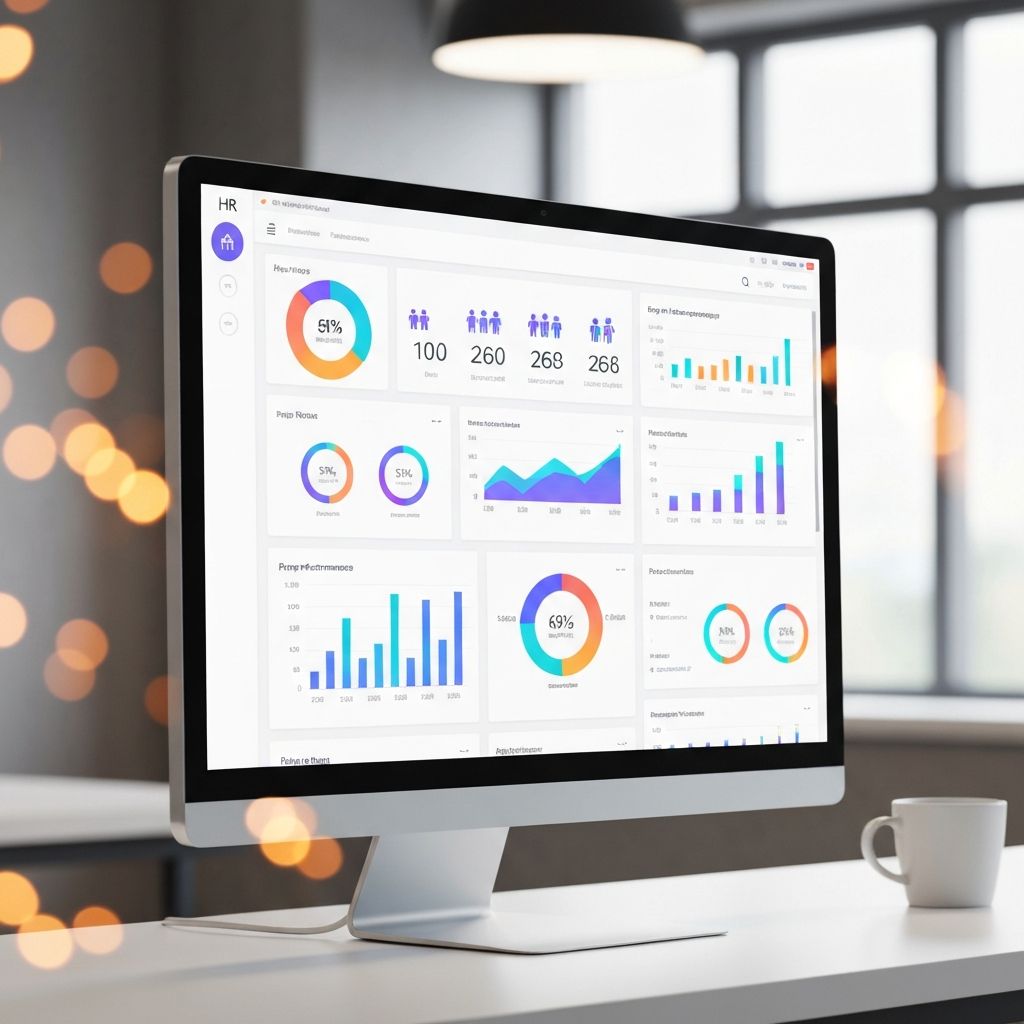
Advanced HR analytics can identify flight risk factors before employees start looking for new opportunities. By analyzing patterns in engagement scores, tenure, performance, and other data points, you can proactively intervene with at-risk employees.
Building a Retention Culture
Retention isn't a program—it's a culture. Every touchpoint in the employee experience either strengthens or weakens the employment relationship. Focus on creating consistently positive experiences throughout the employee lifecycle.